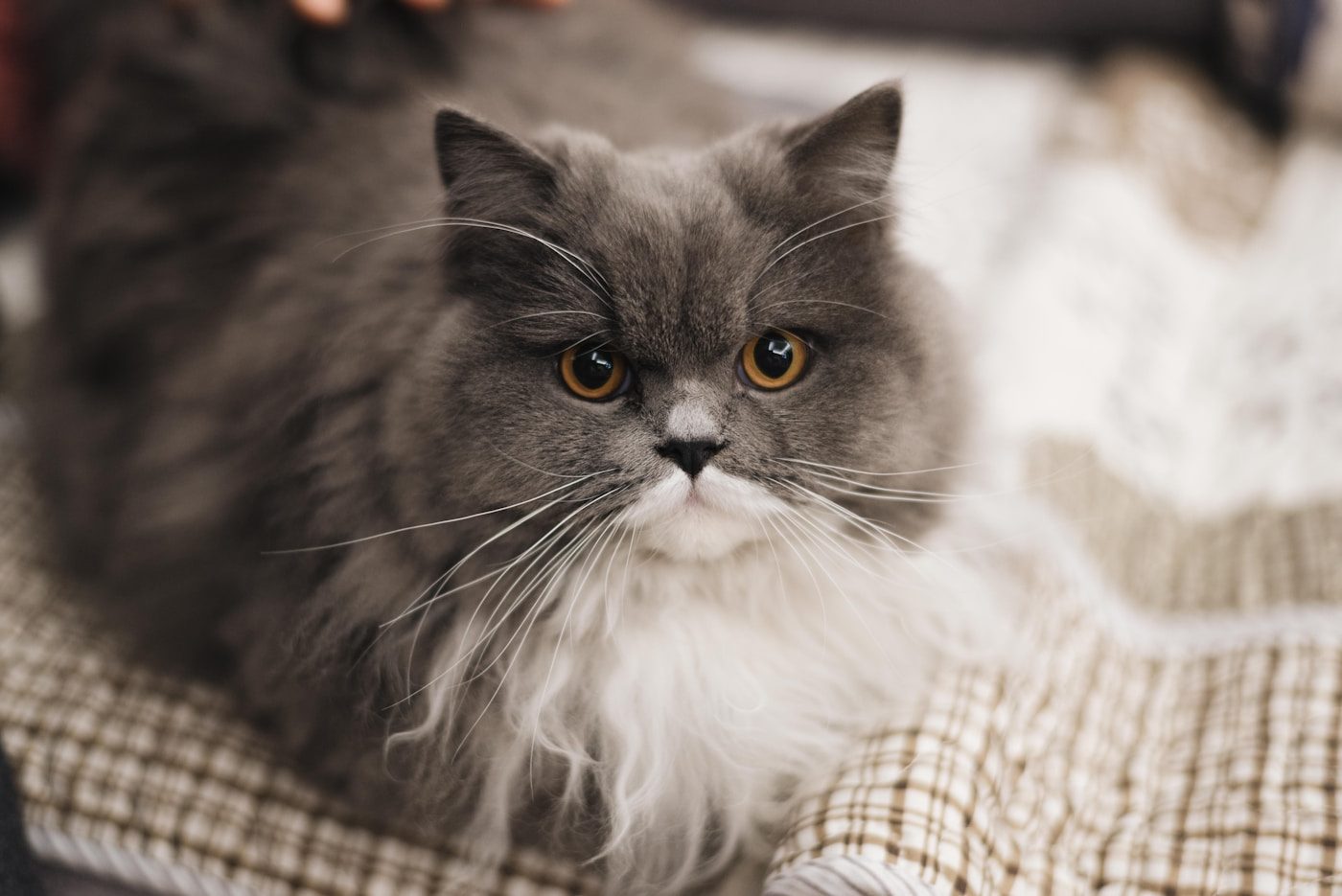
Profile
Unlike the Siamese, Maine Coon, or Sphynx, the European Shorthair isn't the product of breeding toward a fixed appearance or temperament standard — it's simply the most common domestic cat population in Europe. The practical consequence for a future owner: two European Shorthairs can differ noticeably in size, coat color, or need for social contact, even within the same litter, whereas a standardized breed offers more predictable traits. This wider genetic diversity also tends to limit the frequency of certain hereditary diseases linked to narrow breeding within a few bloodlines — a population-level statistical advantage, though it doesn't guarantee better health for any individual cat.
Feeding
- Kitten (0–12 months): growth-specific food, 3–4 meals/day
- Adult: 2 meals/day, quality kibble with occasional wet food
- Senior (10+ years): phosphorus-reduced formula, smaller portions
See the full cat feeding guide →
Grooming & care
- Weekly brushing (short coat, low maintenance)
- Watch claws if scratching posts are limited
- Dental care worth monitoring after age 5–6
Daily life
Adapts well to both apartments and houses with outdoor access. Enjoys safe outdoor time when available, but thrives indoors too with enrichment (scratching posts, toys).